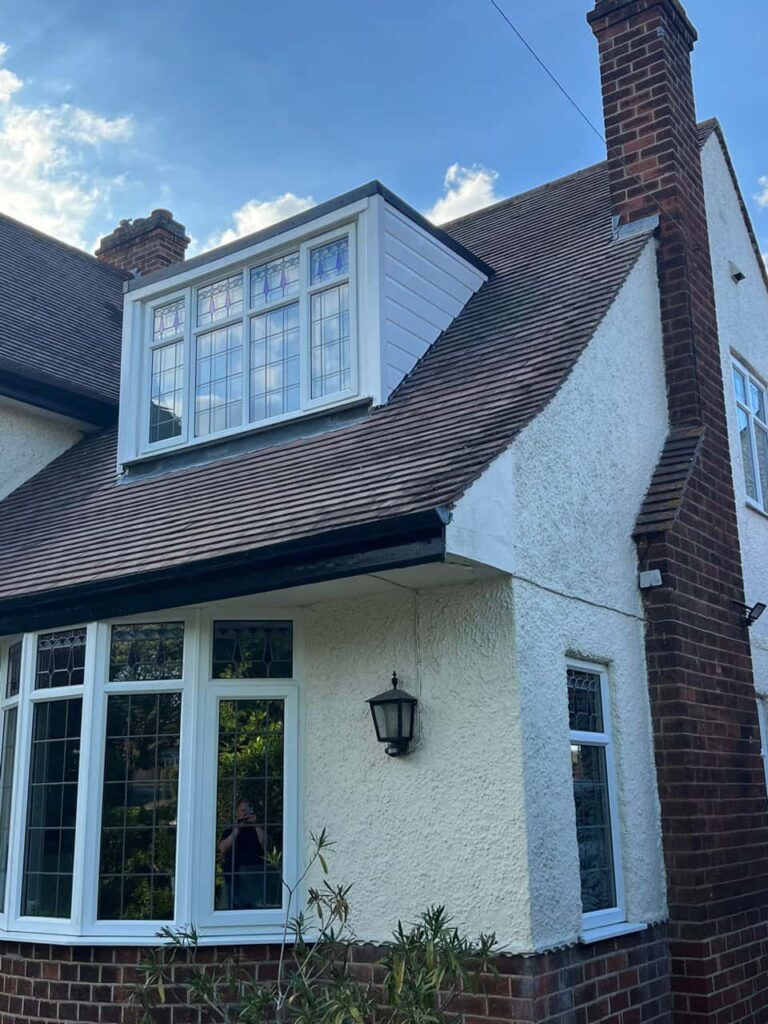
Roof tiles form the main protective covering of many pitched roofs. Their overlapping arrangement directs rainwater down the roof slope while shielding the underlay, battens and internal structure from prolonged exposure to the weather.
When tiles become cracked, loose, displaced or missing, that protective arrangement is interrupted. For property owners in Ravenshead, Nottinghamshire, timely professional tile repairs can restore the roof’s weather resistance and prevent a small defect from affecting surrounding materials.
Why Proper Roof Tile Repairs Matter
A tile repair should do more than cover a visible gap. The cause of the damage, the condition of neighbouring tiles and the integrity of the materials beneath them must all be considered. This wider approach helps ensure that the repair performs reliably during future rainfall and windy conditions.
Restoring the Correct Tile Overlap
Roof tiles depend on carefully arranged overlaps to direct water towards the gutters. If a tile slips out of position, cracks or lifts at one edge, rain may reach the underlay beneath it.
Wind-driven rain can enter surprisingly narrow gaps, particularly when the weather approaches the roof from an unusual direction. Repositioning or replacing the affected tile restores the intended drainage path and reduces the exposure of the layers below.
Protecting the Roofing Underlay
The underlay provides secondary protection beneath the tiles, but it is not intended to compensate permanently for a defective outer covering. Continued exposure can cause older underlay to weaken, tear or deteriorate around fixings.
A professional repair should include an assessment of the accessible underlay beneath the damaged area. If it has already been compromised, replacing the tile alone may not provide a complete solution.
Checking Battens and Fixings
Tiles rely on sound battens and suitable fixings to remain secure. A slipped tile may indicate that a fixing has failed, a batten has weakened or the tile was not seated correctly.
Simply pushing the tile back into position may leave the original problem unresolved. A professional roofer can establish why the movement occurred and ensure that the repaired covering has dependable support.
Preventing Damage from Spreading
One loose or broken tile can affect the roof around it. An exposed edge may allow wind to lift neighbouring coverings, while fragments from a cracked tile can enter gutters or valleys.
Water entering through a local defect may also travel along underlay or roof timbers before becoming visible indoors. Repairing the problem while it remains confined helps protect adjacent tiles, battens, insulation and internal finishes.
Matching the Replacement Tile Correctly
A replacement tile must be compatible with the existing roof. Its size, profile, headlap and fixing method all influence how effectively it integrates with neighbouring materials.
A tile that appears visually similar may still leave inadequate overlaps or sit incorrectly within the course. Professional identification and installation help preserve both the appearance and weather performance of the roof.
Examining the Cause of Tile Damage
Roof tiles can become damaged for several reasons, including:
- Strong winds or prolonged bad weather
- Deteriorated or failed fixings
- Movement within weakened battens
- Impact from falling debris
- Cracking caused by age or weather exposure
- Earlier repairs that disturbed nearby coverings
- Movement around ridge, verge or roof junction details
Understanding the cause helps determine whether the repair should remain localised or include a wider area. Several displaced tiles, for example, may point to a shared fixing or batten problem rather than a series of unrelated defects.
Maintaining Resistance to Wind
A roof must resist both rainfall and wind pressure. Tiles that are loose, poorly fixed or slightly raised can become increasingly vulnerable when wind passes across the roof surface.
Correctly securing replacement or repositioned tiles reduces the chance of further movement. The surrounding area should also be checked because neighbouring coverings may have loosened without becoming visibly displaced.
Supporting Effective Roof Drainage
Rainwater must move freely from the roof covering into valleys, gutters and other drainage routes. Broken tile fragments, moss and debris can obstruct these areas, causing water to collect or overflow towards vulnerable junctions.
Tile repairs provide an opportunity to inspect nearby drainage points and remove material associated with the damage. Keeping these routes clear supports the performance of the complete roofing system.
Signs That Tile Repairs May Be Needed
Not every problem is obvious from ground level. Warning signs can include:
- A tile that appears out of alignment
- Cracked or missing sections of roof covering
- Tile fragments around the property
- Daylight visible from within the loft
- Damp marks on rafters or underlay
- Ceiling stains that worsen after rainfall
- Repeated debris collecting in gutters
- A localised change in the roof’s appearance
These signs should be assessed before the defect has time to worsen. A roof can admit water even when there is no active dripping inside the property.
Why Professional Assessment Adds Value
The position of an internal leak does not always identify the damaged tile. Water can travel beneath the covering and appear some distance from its point of entry.
A professional inspection considers the tile covering, overlaps, fixings, battens, underlay and surrounding roof details. This makes it more likely that the underlying cause will be addressed rather than only the most visible symptom.
Repairing Tiles Before Internal Damage Appears
Waiting for water to enter a room can allow hidden deterioration to develop. Moisture may already be affecting insulation, battens or roof timbers before staining becomes visible on a ceiling.
Early tile repairs help retain the roof’s first line of protection. They can also keep the required work focused on the affected section while the surrounding roof remains in serviceable condition.
Conclusion
Professional tile repairs maintain a weather-resistant roof by restoring correct overlaps, securing the covering and protecting the underlay and supporting structure. They also provide an opportunity to identify failed fixings, weakened battens or nearby defects that might otherwise remain hidden.
If you have noticed a cracked, slipped or missing tile, Ravenshead Roofing Repairs can inspect the affected area and determine the appropriate repair. Contact our team to arrange a professional roof assessment in Ravenshead, Nottinghamshire.
Call us on: 01623 700 893
Click here to find out more about Ravenshead Roofing Repairs
Click here to complete our contact form and see how we can help with your roofing needs.