Roofs are rarely simple rectangles. Many properties feature complex layouts with changes in level, multiple penetrations, and awkward junctions that make traditional roofing materials harder to install and maintain. For homeowners in Ravenshead, Nottinghamshire, liquid roofing has become an increasingly effective solution for protecting roofs with irregular shapes while maintaining reliable, long-term weatherproofing.
This article explains why liquid roofing systems are particularly well suited to complex roof designs and how professional application delivers consistent results.
The Challenge of Irregular Roof Designs
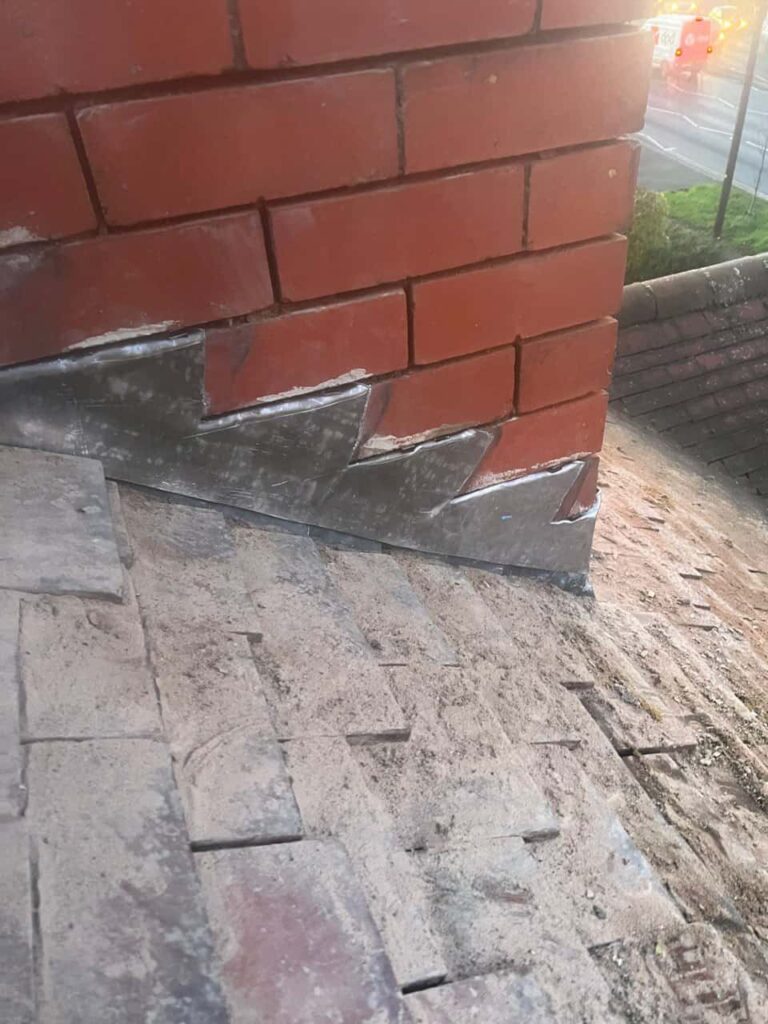
Irregular roof shapes often include features such as rooflights, upstands, vents, drainage outlets, and multiple angles. These details are natural weak points where water ingress is more likely to occur if the roofing system cannot adapt properly.
Traditional sheet or roll-based materials can struggle to conform neatly around these features, increasing the risk of gaps, overlaps, or stressed joints that may fail over time.
Seamless Coverage Across Complex Areas
Fully Conforming to the Roof Shape
Liquid roofing is applied as a fluid that cures into a continuous, seamless membrane. This allows it to flow around corners, edges, and penetrations without cutting or jointing, making it ideal for roofs with non-standard shapes.
Eliminating Vulnerable Joints
Because liquid systems cure as a single layer, there are no seams where water can track underneath. This significantly reduces the likelihood of leaks developing around complex details.
Reliable Waterproofing Where It Matters Most
Consistent Thickness and Protection
Liquid roofing can be applied evenly across flat sections, slopes, and vertical upstands, ensuring consistent waterproof protection throughout the roof area. This is particularly beneficial where different roof elements meet.
Strong Adhesion to Various Surfaces
Liquid systems bond effectively to a wide range of existing substrates, allowing irregular surfaces to be sealed without extensive alterations to the roof structure.
Flexibility and Long-Term Performance
Adapting to Natural Movement
Buildings naturally expand and contract with temperature changes. Liquid roofing remains flexible once cured, allowing it to accommodate movement without cracking or splitting, even on roofs with multiple angles and transitions.
Supporting Roof Longevity
By forming a durable, elastic membrane, liquid roofing protects underlying layers from moisture exposure. This helps extend the service life of the roof, particularly where traditional materials might struggle to maintain a seal.
The Importance of Professional Application
While liquid roofing offers clear advantages, performance depends heavily on correct preparation and expert application. Surfaces must be thoroughly assessed and prepared to ensure proper adhesion and curing.
At Ravenshead Roofing Repairs, we apply liquid roofing systems with precision, ensuring every detail of the roof is fully protected. Our professional approach ensures complex roof shapes are sealed effectively, providing reliable weather resistance over the long term.
Conclusion
Liquid roofing is an ideal solution for irregular roof shapes due to its seamless application, flexibility, and ability to adapt to complex details. By eliminating joints and conforming precisely to the roof layout, it delivers dependable waterproofing where traditional systems often fall short.
For properties in Ravenshead, Nottinghamshire with complex or unconventional roof designs, Ravenshead Roofing Repairs can provide expert liquid roofing solutions that restore protection and ensure long-lasting performance.
Call us on: 01623 700 893
Click here to find out more about Ravenshead Roofing Repairs
Click here to complete our contact form and see how we can help with your roofing needs.