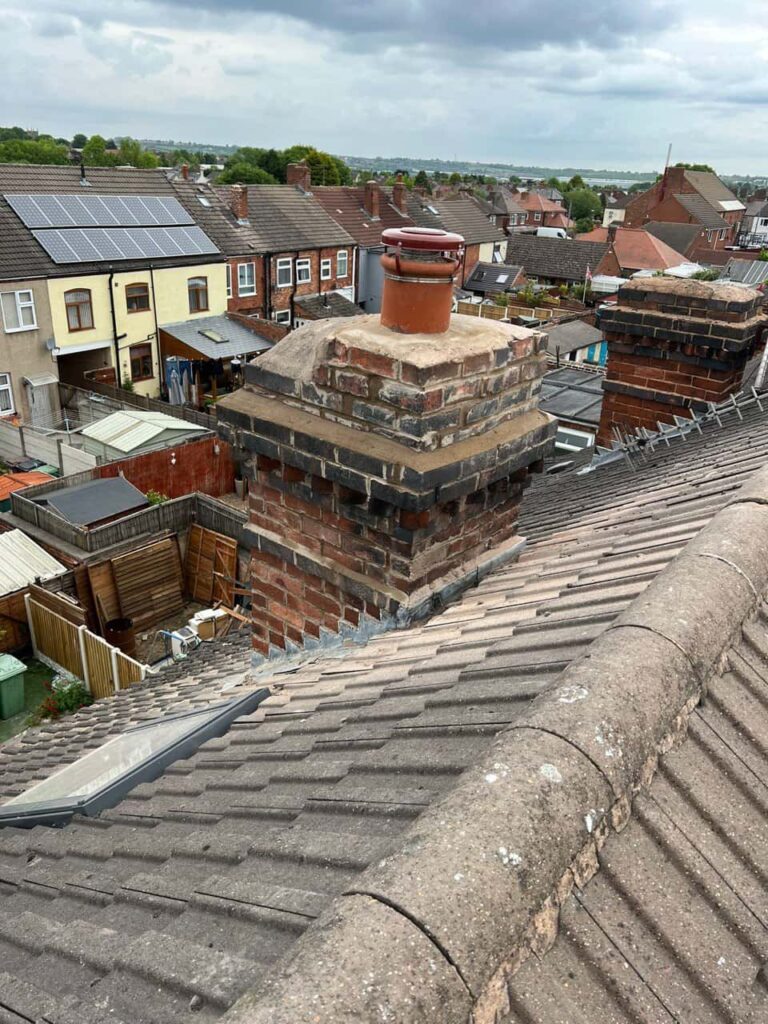
When most homeowners think about roof damage, they often imagine missing tiles or cracked slates. While these issues certainly need attention, one of the most overlooked yet serious threats to a roof’s integrity is old or deteriorating flashing. Flashing plays a critical role in keeping your home watertight, and when it begins to fail, even small gaps can lead to major leaks, damp problems, and structural deterioration over time. For homeowners in Ravenshead, Nottinghamshire, Ravenshead Roofing Repairs provides expert inspections and maintenance to identify and repair flashing before it becomes a costly issue.
What Is Roof Flashing and Why Does It Matter?
Flashing refers to the thin metal or waterproof material installed at joints, edges, and intersections of the roof—particularly around chimneys, skylights, valleys, vents, and dormer windows. Its primary purpose is to direct water away from these vulnerable areas and prevent moisture from seeping into the building.
While roof tiles form the main barrier against the weather, flashing is what seals the gaps and ensures the roof remains watertight. When flashing becomes damaged or deteriorates with age, it compromises the entire roofing system, often leading to hidden leaks that cause gradual yet serious damage.
Why Old Flashing Is More Dangerous Than Missing Tiles
It might seem surprising, but aged or corroded flashing can cause far greater damage than a few missing tiles. Here’s why:
1. Flashing Protects the Weakest Points of the Roof
Tiles overlap to create a waterproof barrier, but flashing protects areas that can’t be covered by tiles—such as joints and intersections. If flashing fails, water can infiltrate beneath the roof surface and spread unnoticed. Missing tiles are usually easy to spot and repair, but damaged flashing often allows hidden leaks that remain undetected until they cause interior damage.
2. Flashing Deteriorates Gradually
Unlike a missing tile, which is an immediate visual cue, flashing tends to degrade slowly over time. Metal flashing may corrode, warp, or lift away from the surface, while older bitumen-based materials can crack and split. This gradual decay often goes unnoticed, allowing water ingress to continue for months or even years.
3. Water Damage Can Spread Quickly
Once flashing fails, water doesn’t just affect the roof—it can seep into rafters, insulation, and walls. Over time, this moisture leads to rot, mould growth, and weakened timber structures. The longer the problem goes unchecked, the more extensive the repair work becomes.
4. Old Flashing Is Common in Ageing Properties
Homes in areas like Ravenshead often feature older roofs with traditional lead flashing. While lead is durable, it can still deteriorate through weather exposure, oxidation, and repeated expansion and contraction. Repointing or resealing the joints can extend its lifespan, but eventually, replacement becomes necessary.
Common Signs of Flashing Problems
Recognising early signs of flashing failure can help prevent serious damage. Some of the most common indicators include:
- Water stains or damp patches on ceilings or walls near chimneys or roof edges.
- Moss or algae growth around flashing lines, suggesting trapped moisture.
- Loose or lifted flashing visible from the ground or in the loft.
- Crumbling mortar or gaps between flashing and brickwork.
- Rust or corrosion on metal flashing around chimneys or valleys.
If you notice any of these symptoms, it’s crucial to act quickly. Ravenshead Roofing Repairs provides professional inspections to pinpoint the source of leaks and restore full weatherproof protection to your roof.
How Flashing Deteriorates Over Time
Flashing faces constant exposure to the elements, and over the years, several factors contribute to its breakdown:
- Thermal expansion: Metal flashing expands and contracts with temperature changes, causing it to loosen or crack over time.
- Weather exposure: Continuous rain, frost, and UV light weaken sealants and adhesives.
- Improper installation: Poor workmanship can cause early failure if flashing isn’t properly seated or sealed.
- Corrosion and oxidation: Older materials, especially galvanised steel, can rust when exposed to moisture.
Regular roof inspections can catch these issues before they lead to larger leaks or water ingress.
Repairing and Replacing Flashing Effectively
Flashing repair requires precision and experience. Depending on the material and level of deterioration, the solution may involve resealing joints, re-bedding flashing in fresh mortar, or replacing entire sections. Professional roofers at Ravenshead Roofing Repairs assess each situation individually, ensuring that repairs are carried out using high-quality materials suited to the property’s age and design.
For older properties, upgrading to modern materials like lead alternatives or flexible flashings can provide a longer-lasting and more resilient seal, helping to protect against future weather-related wear.
Preventative Maintenance for Roof Flashing
Preventative care is the most effective way to extend the life of your flashing. Simple, regular maintenance tasks can prevent costly damage down the line:
- Annual inspections to check for cracks, lifting, or corrosion.
- Cleaning debris from roof valleys and around chimneys to prevent water pooling.
- Repointing brickwork where mortar has eroded to maintain a strong seal.
- Replacing damaged or rusted sections promptly before water ingress occurs.
Ravenshead Roofing Repairs recommends scheduling routine inspections—especially after storms or harsh winters—to ensure the roof’s protective features remain intact.
Why Professional Flashing Repair Matters
Flashing repair is not a job for DIY attempts. Because it involves sealing joints between different roofing materials, even small mistakes can lead to leaks that are difficult to detect. Professional roofers understand how to install, shape, and seal flashing correctly for maximum protection.
By choosing experienced specialists like Ravenshead Roofing Repairs, homeowners in Ravenshead can rest assured that their roof flashing will be fitted and finished to the highest standard, ensuring the structure stays watertight for years to come.
Conclusion
While missing tiles are an obvious concern, old or damaged flashing often poses a much greater risk to your roof’s integrity. It’s the small, hidden gaps that allow the most destructive leaks to develop over time. Regular maintenance, timely repairs, and professional inspections are key to preventing costly damage. For homeowners in Ravenshead, Nottinghamshire, Ravenshead Roofing Repairs provides expert flashing repair and roof maintenance services designed to protect your property from water ingress and preserve its condition for the long term.
Call us on: 01623 700 893
Click here to find out more about Ravenshead Roofing Repairs
Click here to complete our contact form and see how we can help with your roofing needs.