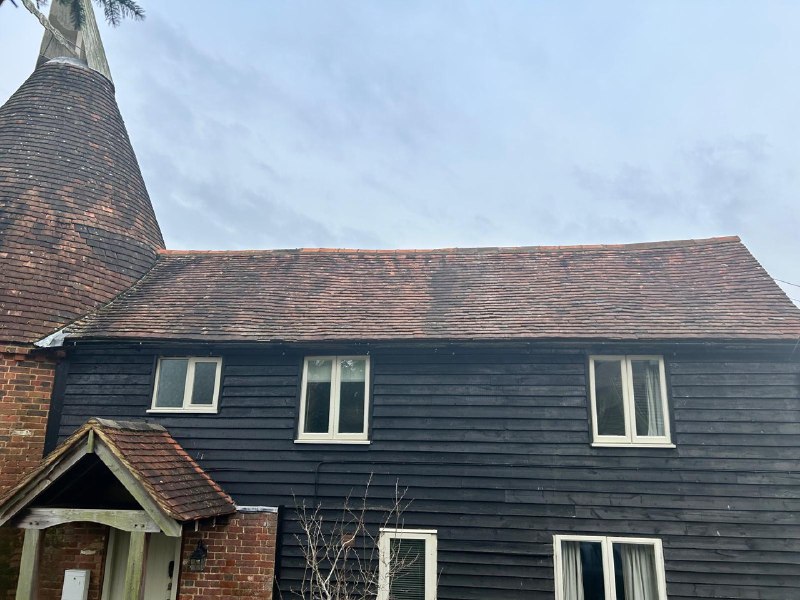
Severe weather can affect any property, but storm-damaged roofs are particularly vulnerable because the structural weaknesses created during high winds or heavy rain are often hidden. Many homeowners in Ravenshead, Nottinghamshire only realise the extent of the damage when it suddenly escalates — sometimes resulting in a partial or full roof collapse without clear early signs. Understanding why this happens is vital for protecting your home and ensuring timely intervention.
Storm Damage Creates Weak Points You Cannot See
Even if a roof appears mostly intact after a storm, the underlying structure may have been compromised.
Storms can cause:
- Cracked or shifted tiles
- Lifted underfelt or battens
- Loosened fixings
- Damaged rafters or supporting joints
These issues may not be obvious from ground level but can significantly reduce the roof’s ability to carry weight.
Water Ingress Weakens the Timber Framework
Storms often force water into areas of the roof that would normally remain dry.
Once moisture enters the structure, it can:
- Weaken rafters
- Saturate insulation
- Soften supporting timbers
- Accelerate rot
This internal deterioration can progress quietly for weeks or months, reducing the roof’s strength until it can no longer bear normal loads.
Wind Lift Causes Progressive Structural Failure
High winds don’t just remove tiles — they can lift sections of the roof frame by pulling materials upward repeatedly.
This can create:
- Gaps in the roof deck
- Loosened fixings
- Misaligned support timbers
Over time, these weaknesses reduce the roof’s stability, making a sudden collapse far more likely even long after the storm has passed.
Heavy Rain Adds Excess Weight
Once storm damage has created openings, the roof may begin to hold water rather than shed it.
Pooling or absorbed water adds unnecessary strain, especially on:
- Aged timber
- Battens weakened by previous storms
- Areas already compromised by decay
The added weight can cause a weakened section to fail with no visible warning.
Hidden Damage May Be Missed in Quick Visual Checks
Most homeowners only notice broken tiles or visible gaps, unaware that more serious damage may be hidden beneath.
Key issues often missed include:
- Internal roof sagging
- Deteriorated valley linings
- Cracked supporting beams
- Compromised junctions around chimneys or dormers
Without a thorough inspection, these faults remain unnoticed until the structure gives way.
Storm Damage Can Spread Over Time
Even if the initial damage seems small, storms often create faults that worsen with everyday conditions such as:
- Normal rainfall
- Mild winds
- Temperature changes
- Roof movement
This gradual progression is why some roofs collapse weeks — or even months — after the original storm.
Why Prompt Professional Assessment Is Essential
Storm damage should always be inspected by trained roofing specialists who can identify internal and structural issues, not just surface-level problems.
A professional assessment allows you to:
- Detect hidden damage
- Prevent further structural weakening
- Strengthen vulnerable areas before they fail
Timely intervention ensures the roof remains safe and stable.
Conclusion
A storm-damaged roof can appear safe while hiding serious structural problems beneath the surface. These weaknesses often worsen silently until the roof collapses without warning. Addressing storm damage early is the best way to protect your property and avoid sudden failures.
If your home has recently been affected by heavy winds or rain, Ravenshead Roofing Repairs provides thorough roof inspections and reliable repair solutions throughout Ravenshead, Nottinghamshire. Feel free to contact the team to arrange a professional assessment and keep your roof secure.
Call us on: 01623 700 893
Click here to find out more about Ravenshead Roofing Repairs
Click here to complete our contact form and see how we can help with your roofing needs.